Habitat Heroes: Save Our Animal Homes!
Year 3 Students Take Action to Protect Animal Habitats through Creativity and Recycling
On Thursday, 29 October 2026, Year 3 students proudly presented their interdisciplinary school project, “Habitat Heroes: Save Our Animal Homes!” The project focused on raising awareness of climate change and its impact on animal habitats while encouraging students to take simple, meaningful actions to care for the environment.
Through a combination of research, storytelling, creative activities, and hands-on workshops, students explored how changes in the Earth’s climate can affect the natural homes of animals. More importantly, they learned that protecting the environment is a shared responsibility and that even small actions can contribute to a positive difference.
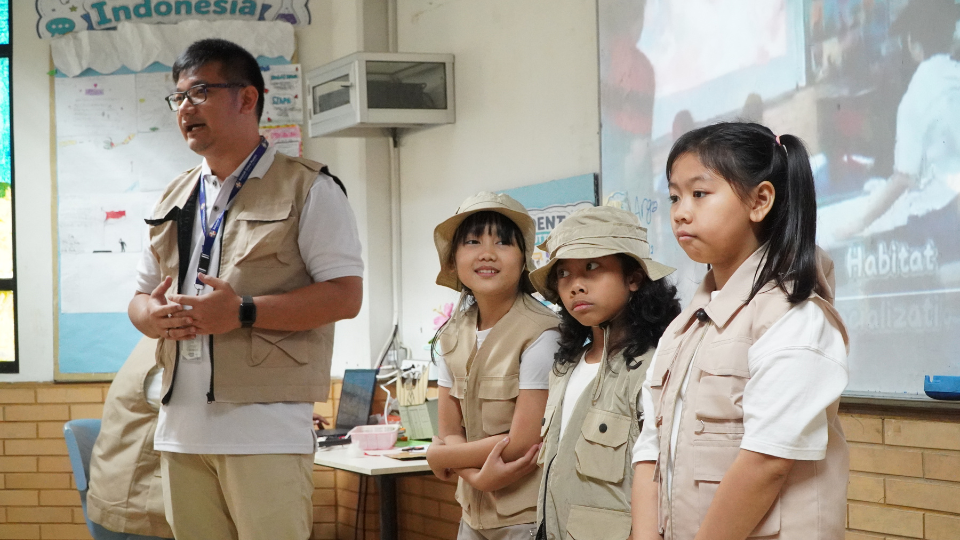
The main objective of Habitat Heroes was to help students develop a better understanding of climate change, particularly how it affects animal habitats and the lives of animals that depend on them. Students were encouraged to recognize environmental challenges, understand their consequences, and explore possible solutions that can be practiced in their daily lives.
The project also aimed to develop students’ research, communication, creativity, collaboration, and critical-thinking skills through an integrated STEAM learning approach. By combining Science, Technology, Engineering, Art, and Mathematics, students were given opportunities to connect classroom learning with real-world environmental issues.
Another important objective was to introduce the value of reducing, reusing, and recycling plastic waste. Students learned that responsible waste management is one of the ways they can contribute to a cleaner and healthier environment.
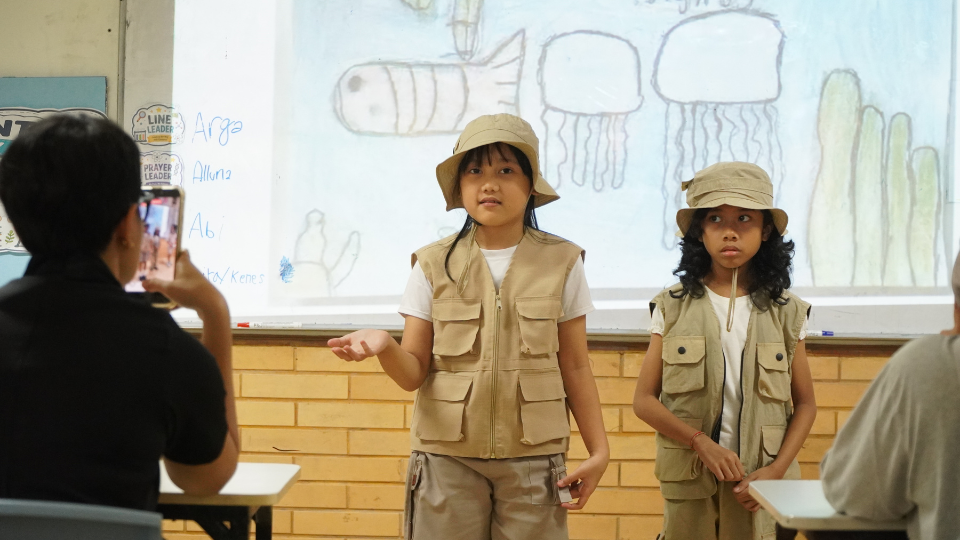
Throughout the project, students began by researching different animals and their natural habitats. They explored how climate change can affect these environments, such as melting ice in polar regions, rising temperatures, changing weather patterns, and the loss of natural food sources. Through this process, students learned that environmental changes can make it more difficult for animals to find food, water, and shelter.
To present their understanding creatively, students developed illustrated flipbooks telling the stories of animals and their habitats. Each story showed how an animal’s home could change over time due to the effects of climate change. Students then transformed their flipbooks into story videos, allowing them to communicate their findings in an engaging and meaningful way.
Recycling was another important part of the learning process. Students collected used plastic snack packaging, which was cleaned and prepared for creative reuse. Instead of treating these materials as waste, students explored how they could be transformed into something useful and artistic.
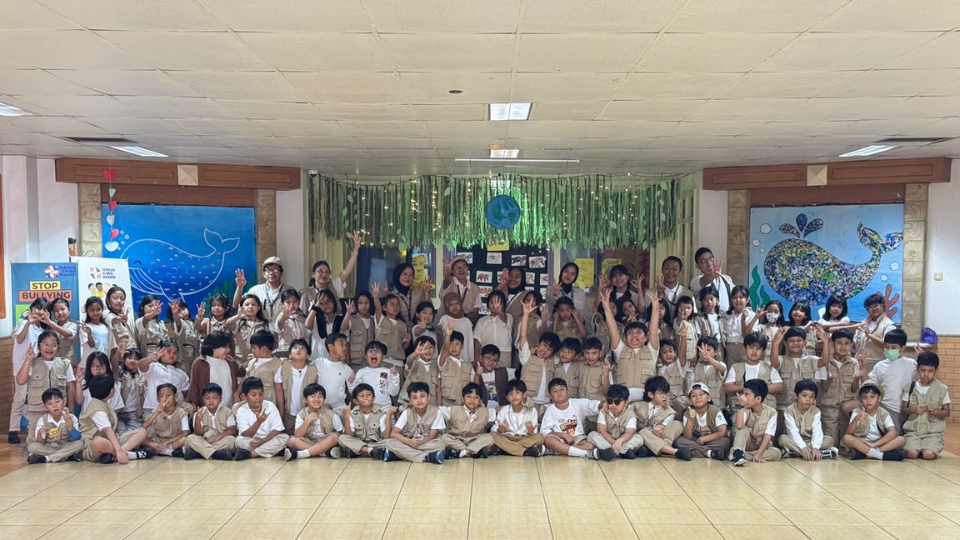
The project reached its highlight on Thursday, 29 October 2026, when Year 3 students welcomed students from Year 1 to Year 6 to take part in their project exhibition and activities.
Visitors had the opportunity to watch the Year 3 students’ story videos and learn more about the effects of climate change on different animal habitats. The Year 3 students also explained their work, shared what they had learned, and guided visitors through the project displays.
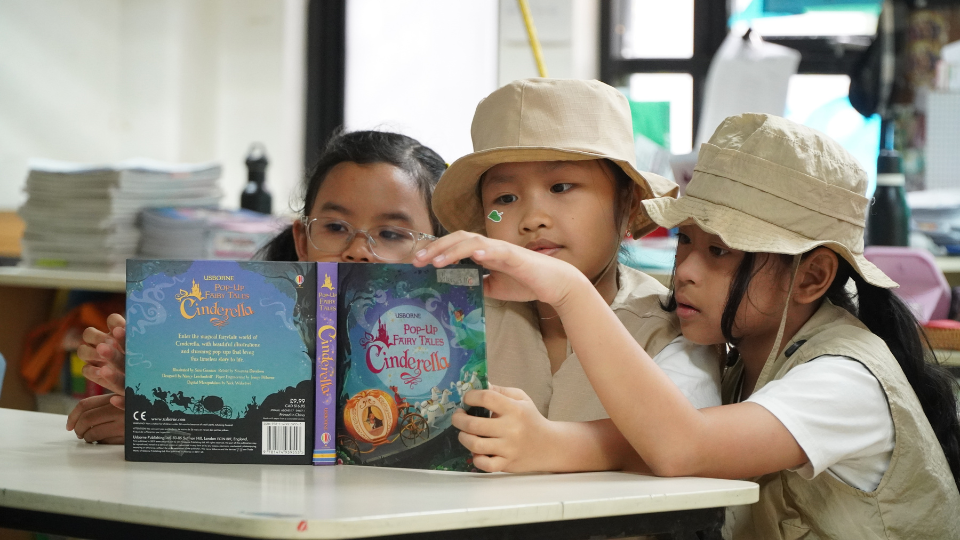
The event featured two hands-on recycling workshops. Students from Year 1, Year 2, and Year 4 were invited to create their own keychains using recycled plastic waste. Meanwhile, students from Year 5 and Year 6 participated in a mosaic-making activity, using pieces of recycled plastic to create artwork inspired by animals and their natural habitats.
These activities allowed visitors to experience the creative side of recycling while understanding that materials we often throw away can still have value when reused thoughtfully.
Visitors also had the opportunity to explore the exhibition booths, where they could view the students’ work and discover more about the environmental issues presented throughout the project.
The Habitat Heroes project was a meaningful learning experience for both the Year 3 students and the visiting students. Through the activities, Year 3 students had the opportunity to demonstrate their understanding of climate change, explain environmental issues in their own words, and share possible ways to care for the planet. They also strengthened their confidence, teamwork, creativity, and communication skills by presenting their work and guiding younger students during the workshops.
For the visiting students, the project provided an enjoyable opportunity to learn about climate change and environmental responsibility through interactive experiences. By creating keychains and mosaics from recycled plastic waste, they were able to see how everyday materials could be given a new purpose.
The project also successfully brought together different year levels through collaboration and shared learning. It encouraged students to think beyond the classroom and recognize that environmental awareness can begin with simple everyday habits, such as reducing plastic waste, reusing materials, and keeping their surroundings clean.
More than just an exhibition, Habitat Heroes reminded students that caring for the Earth does not always require big actions. It begins with understanding the problems around us and making responsible choices in our daily lives.
Through this project, Year 3 students showed that learning can become a meaningful experience when knowledge is combined with creativity, collaboration, and action. We hope that the lessons gained from Habitat Heroes will inspire students to become more environmentally aware, develop a greater appreciation for wildlife, and take an active role in protecting our planet.
Together, we can make a difference. Small Actions, Big Impact!