The Bracket That Landed on the Classroom Floor
Distributive multiplication looks tidy on a whiteboard and falls apart the moment a student tries it alone. The number outside a bracket must reach every term inside, and nothing in a child’s daily life suggests that this kind of reaching is compulsory. In class 7 Carter, the rule stopped being an article of faith and became an object.
A Rectangle Made of Light
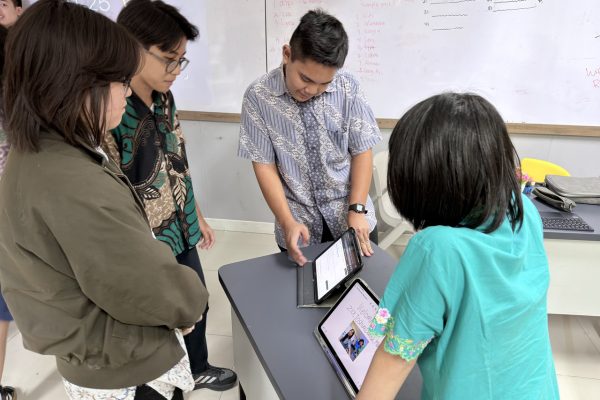
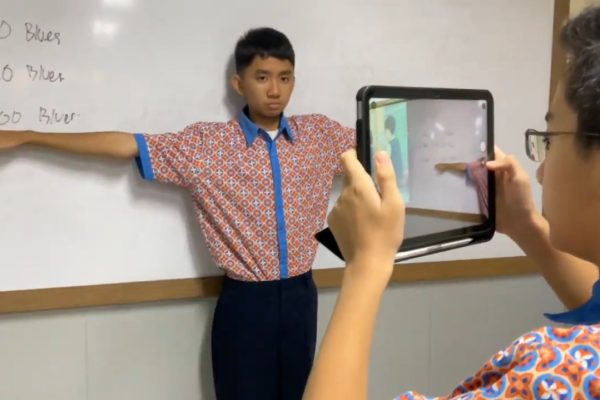
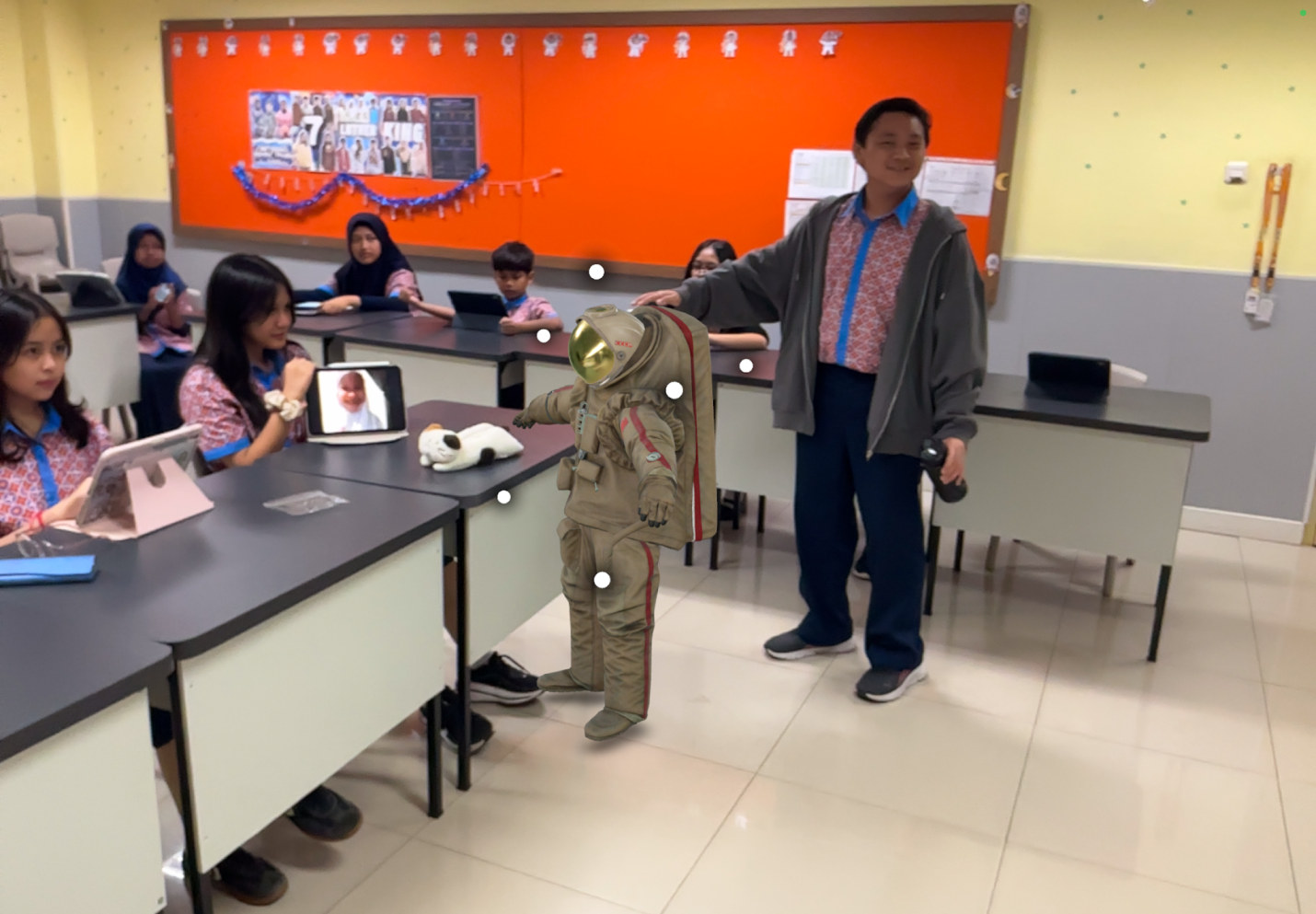
This was a Mathematics lesson on expanding expressions where one factor multiplies an entire sum. Mr Arnold Novemri arrived with a custom augmented-reality app he had built for the idea. A tablet aimed at a printed marker, and algebra appeared in the room: solid tiles for each term, a wide rectangle sliced into partial products, resting on the floor where a sneaker could nearly touch it.
Students circled the model, tilted it, dragged a multiplier across a bracket boundary and watched the geometry answer back. Tapping a term opened a short spoken explanation, so nobody had to queue to hear why one multiplication happens twice. They replayed the clips, fed different values into the variables, watched shape and narration change together, then set the tablets down and finished on paper with expressions and word problems about real space.
Where the Learning Actually Sat
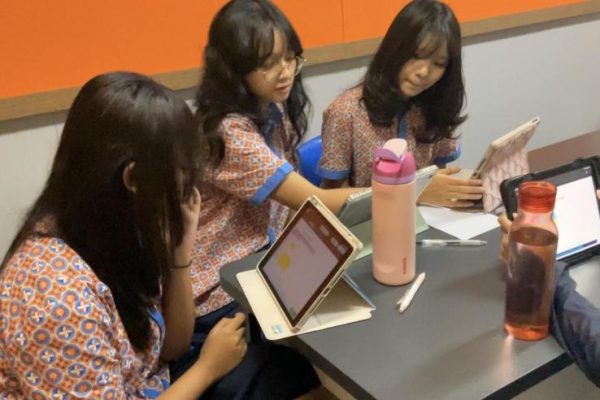
The exploration was no appetiser. It carried the Main activity, where the idea had to be constructed rather than copied, and the paper work afterwards tested what survived. Predicting how a new coefficient would stretch the rectangle before tapping to check is Critical thinking with a mathematical spine, and running that experiment at a personal pace is Student choice about how hard to push each try. Some worked solo, some settled into Group Work of two, one holding the tablet, one arguing about the negative sign.
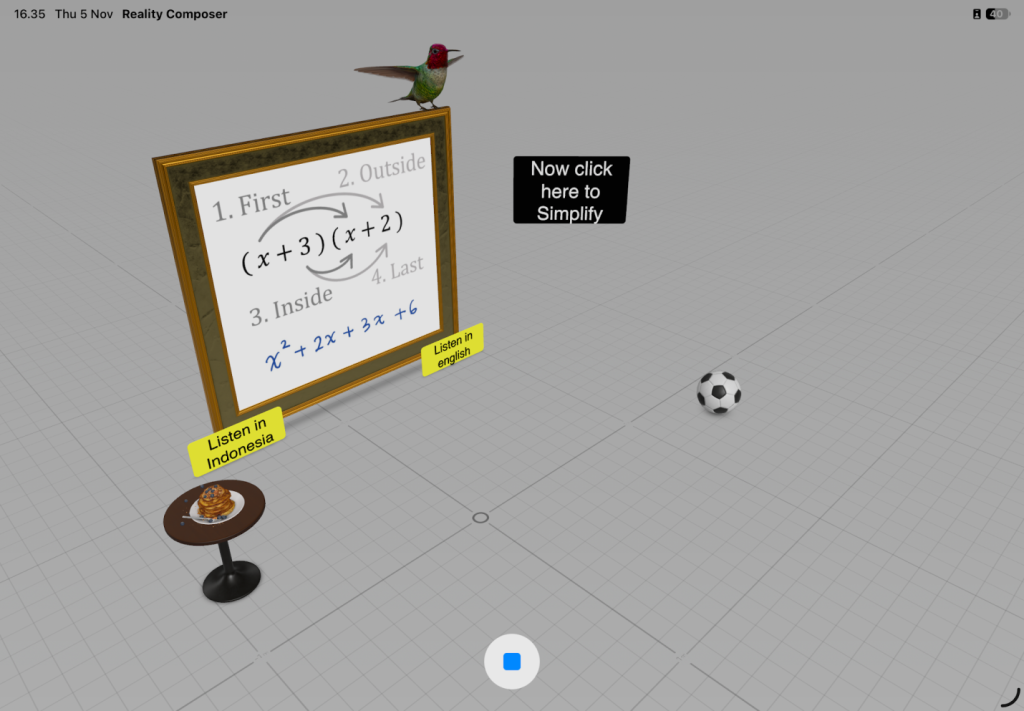
The audio was the quiet triumph. A learner who thinks in sound, one who thinks in pictures and one who thinks with their hands all got the same reasoning in a usable form, as often as needed, which is Equitable access engineered into the material rather than promised afterwards. That repeatable coaching let a child stay with a hard expression without rescue, which is what Intellectual independence feels like. The closing word problems about space supplied the Realistic example the algebra was finally for.
Ask Them Which Side They Walked Around
Which of them believed the rule only after seeing it from behind? Tonight, ask your child to explain why the outside number cannot skip a term, and watch whether their hands reach for a rectangle in the air. If they build one for you, tell their mathematics teacher that the idea travelled.