The Assignment: Describe the Person Sitting Next to You
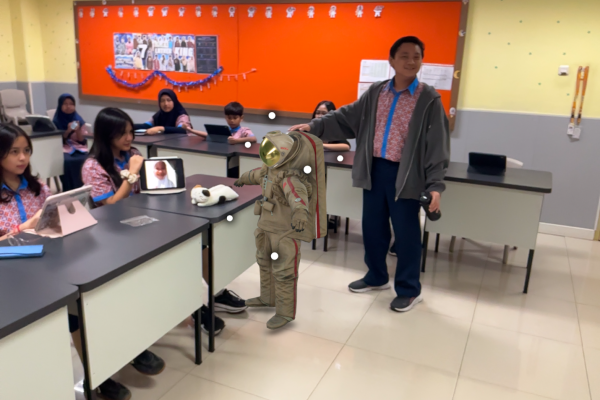
Pick one classmate. Now describe them so vividly that a stranger could pick that person out of a crowded hallway. That was Mr Aji’s brief for his Grade 7 Luther King class, turning an Indonesian Language lesson on descriptive text into something far more personal.
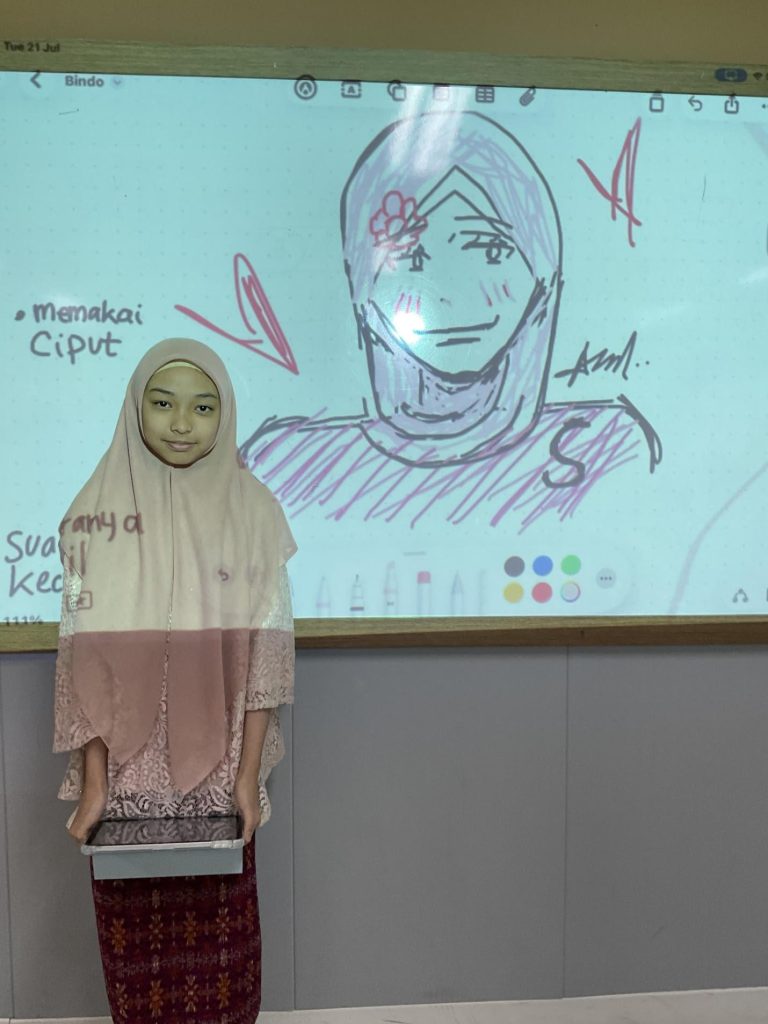
Not Just a Face, a Whole Person
Descriptive writing is usually practised on safe, distant subjects — a textbook object, a scene somebody else invented. This time the lens pointed back at the children. Every student became an observer of a friend: the way someone tugs a sleeve while laughing, glasses that keep sliding down, the habit of saving the best story for last.
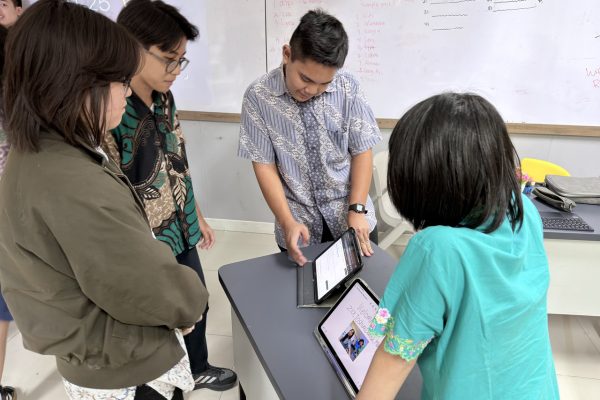
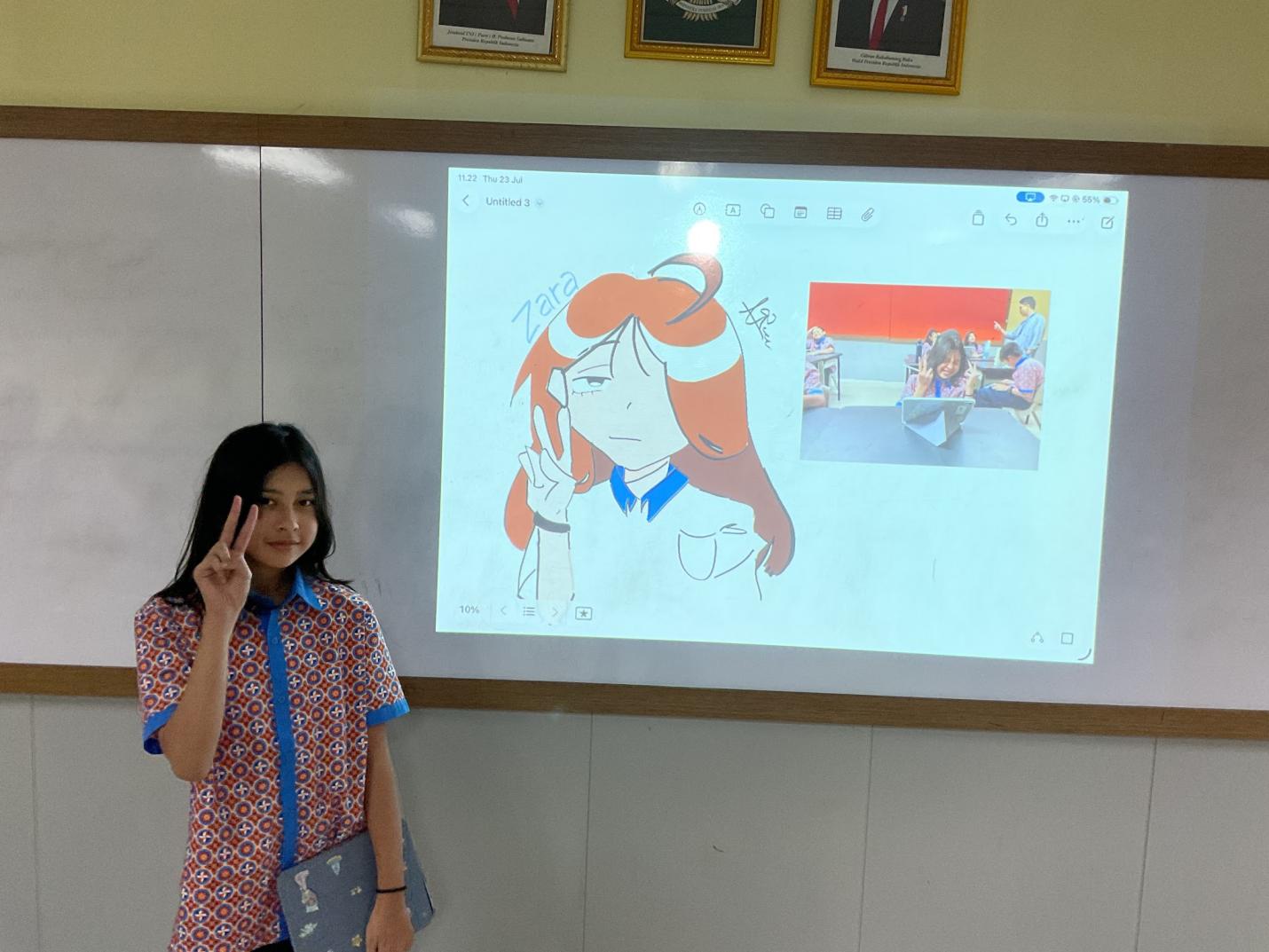
The work travelled across two apps. In Notes, students captured raw details and hunted for the exact word. On Freeform, an endless canvas, the description grew into a portrait board — photos pinned, sticky notes of admired traits, lines drawn between a smile and the personality behind it. Because the project also leaned on Information Technology, the iPad stopped being a screen to watch and became a desk to build on, where students were busy creating products instead of consuming content, each deciding which medium carried a friend’s story best.
The Learning Nobody Saw
What looked like a cheerful digital craft asked a great deal. Noticing was the real work, sitting at the heart of the main activity rather than a tidy task saved for the last ten minutes. Weighing which detail is genuinely true about a person is critical thinking with a social heart, done with a quiet intellectual independence: Mr Aji posed the challenge and let them find their own way through it.
They wrote for someone who would read it, so attention to audience shaped every sentence. Deciding what counts as a real compliment took argument and listening; that group work turned separate boards into a shared product — a portrait of a whole class no child could build alone. Layout mattered too: spacing, colour and a clean arrangement were not decoration but a working principle of design, the care an editor gives a page. Their classmates were both a realistic example and a live audience, pulling the lesson out of the textbook into authentic engagement with the people sitting beside them.
What Happens When a Child Is Seen
Some students found their own portrait that week and discovered that someone had been paying attention all along. Who might they notice next term?
Ask your child who they described, and why that person came to mind. If they name a friend, ask whether the friend knows — and tell their teacher it is working.