Breathing Digital Life into Sundanese Tales
Have you ever wondered how to keep a traditional language exciting for a generation raised on screens? It rarely happens through rote memorization or dusty textbooks. Instead, it sparks when heritage meets innovation. In our Year 11 Bahasa Sunda class, the goal wasn’t just to learn vocabulary; it was to prove that an ancient dialect could thrive in a modern, digital world.
The Storyteller’s Studio
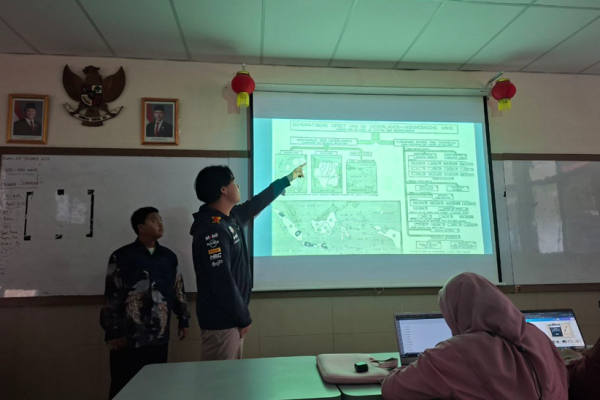
The atmosphere in the classroom shifted from a lecture hall to a creative studio. Mr. Firman set a challenge that went far beyond standard composition: he invited the students to become digital authors. The task was to craft a Cerpen (short story) that adhered to the classic structures of literature—orientation, conflict, climax, and resolution—but with a twist.
Students weren’t just writing with pens; they were building worlds. Using tools like Keynote, Pages, and Book Creator, they began drafting their narratives. The room buzzed with focused energy as they sketched storyboards, debated character arcs, and selected color palettes. They were no longer just students of language; they were multimedia creators, merging the lyrical beauty of Sundanese with the visual punch of graphic novels.
Beyond the Words


What happened next revealed the true depth of their journey. Students exercised their agency to choose themes that genuinely resonated with them, moving away from rigid prompts to explore ideas they cared about. This freedom turned a required assignment into a passion project.
The learning process required them to combine distinct modes of communication, weaving text and imagery together so that one supported the other. It wasn’t enough to write correct grammar; the visual design had to amplify the emotion of the story. Furthermore, Mr. Firman raised the stakes by defining who they were writing for. This wasn’t for a grade book; they were designing for an authentic audience. The students knew their digital books were meant to be read and understood by their juniors (adik tingkat).
This shift in perspective forced them to think critically about their end-user, simplifying complex cultural terms and ensuring the interface was intuitive for younger readers. They were practicing empathy and clarity through design.
A Legacy Reloaded

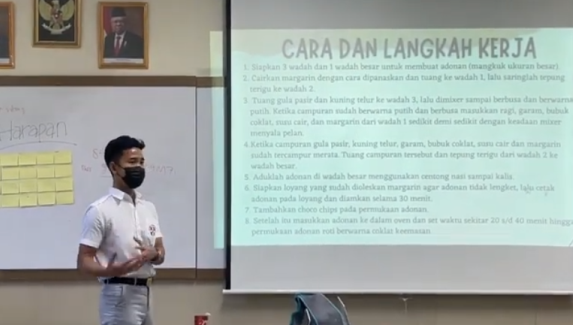
As the students presented their final digital books—vibrant, interactive, and culturally rich—it was clear they had done more than complete a task. They had preserved their culture by evolving it.
We encourage you to ask your child to open their iPad and share their story with you. You might be surprised by the sophistication of their design, and who knows? You might even find yourself captivated by a Sundanese tale you’ve never heard before. What other traditions could they revitalize next?