

Kitchen Scientists: When Flour, Yeast, and Technology Collide

“Why does dough rise?” It sounds like a simple culinary question, but for the Grade 12 Biology students, it became the gateway to a complex world of microorganisms and chemical reactions. This project wasn’t just about following a recipe; it was about witnessing life at a microscopic level through a macroscopic lens.
From Textbooks to Toasted Bread
Ms. Maya challenged her class to step out of the textbook and into the kitchen. The topic was Conventional Biotechnology—specifically the ancient art of fermentation found in making bread, tape, yogurt, and cheese. Instead of merely memorizing the biological definition of fermentation or the Latin names of bacteria, students were tasked to execute the process themselves.
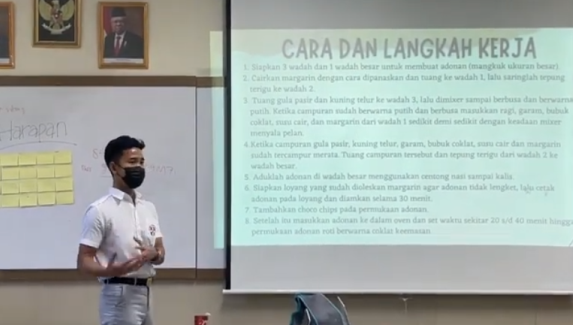
Working in squads, they transformed their home kitchens into scientific laboratories. They had to analyze the procedure, conduct the experiment (baking bread), and document every sticky, flour-filled moment. Using their iPads, they captured the entire procedure, later editing the footage into professional documentation using iMovie and designing insightful presentations with Canva to explain their findings to the class.
More Than Just a Cooking Show


Beneath the surface of these culinary experiments, profound learning was bubbling up like yeast. By moving the classroom to the kitchen, students engaged in a real-world task, dealing with actual variables like temperature and timing that don’t exist in a multiple-choice question. If the bread failed to rise, they couldn’t just turn the page; they had to exercise disciplined inquiry, analyzing the biological environment to understand what went wrong with the microorganisms and critiquing their own methods.
The assignment required intense collaborative problem solving. Students had to negotiate roles, manage time, and combine their individual strengths to ensure the final loaf—and the final video—was a success. The use of iMovie wasn’t just for flair; it pushed students toward high-level technology use, allowing them to construct a coherent narrative about their scientific journey. They weren’t just consumers of information; they became creators of a shared product, communicating complex biological concepts through visual storytelling that required clarity and creativity to reach their audience.
A Slice of Science


So, the next time you see a slice of bread on the breakfast table, ask your child about the science behind the bubbles inside it. You might be surprised to hear a detailed explanation about fermentation and bacterial behavior. It is truly exciting to see how Ms. Maya is guiding them to see science in everyday life—let’s continue to support these young innovators as they bake their way to biological mastery!


