Saving the World, One Comic Panel at a Time
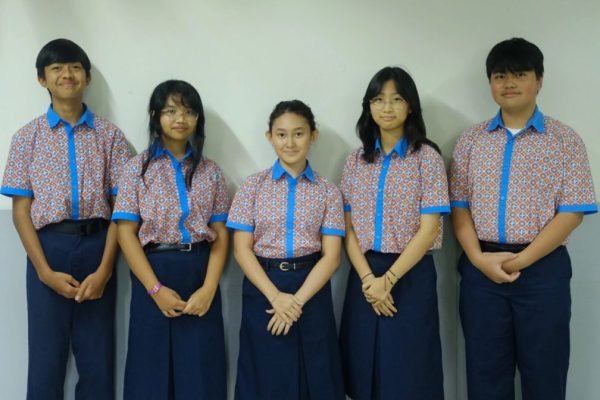
Imagine a classroom where ancient folklore collides with urgent climate science. What if the solution to understanding pollution wasn’t found in a textbook, but within the panels of a digital comic book created by a twelve-year-old? This wasn’t just a hypothetical scenario; it was the reality for our Year 7 students recently.
PoluMyth: Where Legend Meets Science
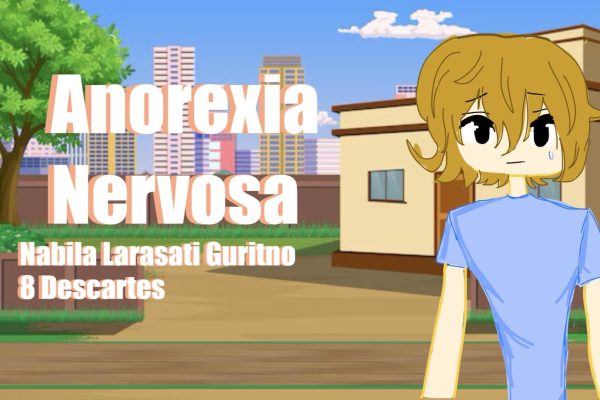
The project began with a unique challenge. In a seamless integration of Biology, Bahasa Indonesia, and Social Studies, Ms. Chel invited the students to become modern-day storytellers. The mission was clear but complex: understand the heavy impact of pollution and climate change, grasp the narrative structure of traditional folklore, and fuse them into an original “PoluMyth.”
The classroom transformed into a creative studio. Students didn’t just memorize definitions of carbon footprints; they had to weave those facts into a compelling narrative. Armed with their iPads, they moved from researching environmental data to sketching storyboards. using Keynote as their main canvas, while some aspiring artists layered in details using Procreate or Ibis Paint. The energy was palpable as scientific concepts turned into villains and heroes on the screen.
Beyond the Bubbles and Captions
While the final products were colorful digital comics, the learning process happening behind the screen was profound. Ms. Chel didn’t just ask for a summary of facts; she guided the students to engage in deep communication and creation. The students weren’t writing for their teacher; they were designing for an authentic audience—their younger peers in the lower grades.
This shift in audience forced the students to apply rigorous critical thinking. They had to simplify complex scientific data without losing accuracy, ensuring the message was accessible to younger readers. Furthermore, the project thrived on student choice. Whether they built interactive slides in Keynote or hand-drew intricate scenes in Procreate, every student had the agency to choose the tools that best amplified their voice. They were not just completing an assignment; they were engaging with a real-world problem and proposing a narrative solution, making the learning stick far better than any quiz could.
What’s Your Story?
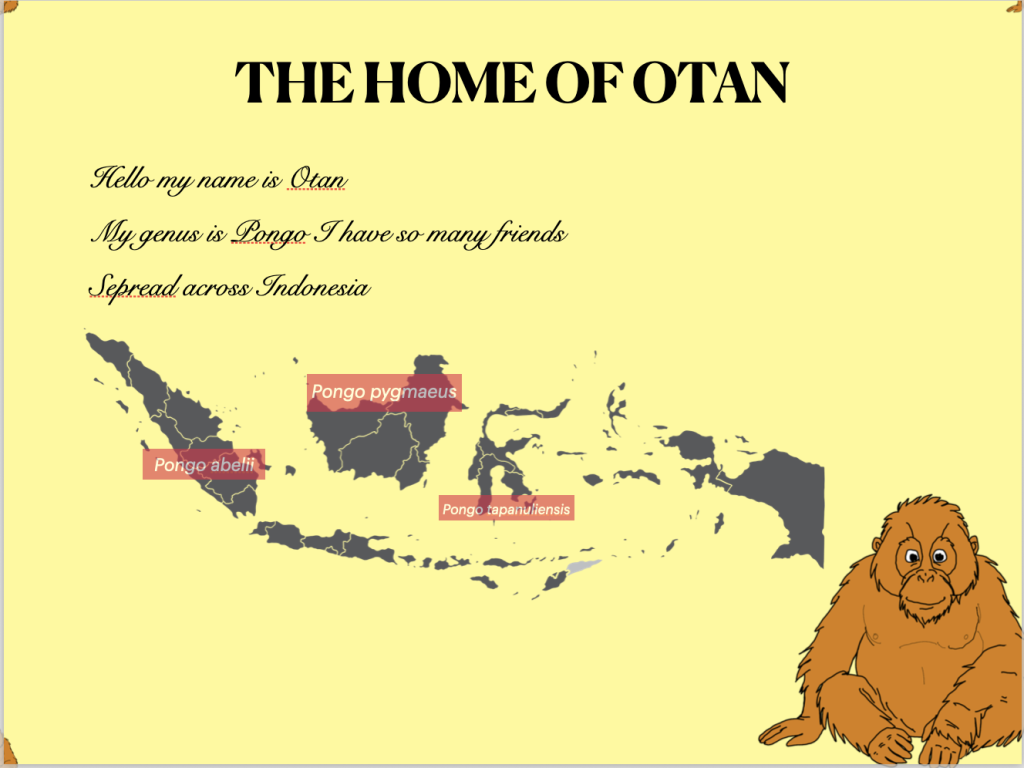
The result? A digital library involving titles like “The Home of Otan,” where creativity serves a purpose. As these students move forward, one wonders: if they can turn climate science into a gripping legend today, what other complex global issues will they simplify and solve tomorrow?
Parents, tonight at the dinner table, ask your child about their comic villain. You might just learn a thing or two about saving the planet.