Beats, Loops, and Logic: Unleashing the Inner Producer
Have you ever wondered what the soundtrack of a teenager’s mind actually sounds like? In our recent Music class, the room wasn’t filled with the sound of traditional instruments practicing scales, but rather the focused silence of creation, broken only by the rhythmic clicking of trackpads and the hum of creative energy. The students weren’t just learning to listen to music; they were stepping into the shoes of modern audio engineers.
Orchestrating the Digital Wave
The challenge was ambitious. Mr. Ezra didn’t just ask the Year 10 students to “make a song.” He invited them to master the complex, professional workflow of music production. The mission? To transform a blank digital timeline into a polished, original composition using Logic Pro and GarageBand.
The atmosphere in the room shifted from passive learning to active exploration. Students navigated the intimidating interface of a Digital Audio Workstation (DAW), grappling with terms like MIDI programming, quantization, and layering. One moment, a student was struggling to trim a drum loop; the next, they were layering a synthesizer melody over a bassline they composed themselves. It was a messy, loud, and incredibly productive journey where the screen became their canvas and sound waves became their paint.
Engineering Creativity
Behind the cool beats and catchy melodies, a profound layer of learning was taking place. The project was designed so that student choice drove the entire process. Rather than following a rigid template, each student selected their own genre and instrumentation, allowing their unique musical identities to shine through the original content they produced.
As they adjusted the equalizer and balanced the volume levels, the students were doing more than just tweaking knobs; they were engaging in deep critical thinking and problem solving. They had to constantly analyze why a track sounded “muddy” or “too sharp” and apply technical solutions to fix it. This wasn’t a simulation; it was real-world engagement using the exact same tools and workflows used by Grammy-winning producers today. By the time they reached the final export stage, they hadn’t just completed an assignment; they had demonstrated disciplined creative work, turning a raw idea into a sharable, professional-quality audio file.
What’s Next on the Playlist?
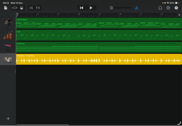
Now that these young producers have their WAV files ready and their confidence high, the question remains: where will their music go next? Perhaps these tracks will stay in a folder, or perhaps they are the first demos of future hitmakers. We encourage you to ask your child to play their track for you tonight—you might be listening to the start of something big.