Powering Tomorrow: How Young Minds are Prototyping a Greener Future
Imagine a world where the lights suddenly go out, and our global fossil fuel reserves are completely depleted. How would humanity keep moving forward? This isn’t just a dramatic plot from a sci-fi movie; it is the exact challenge our students are actively solving right now through their ambitious Renewable Energy Project.
The Blueprint of Young Scientists

It all started with a simple but urgent video about the global energy crisis. From that moment, a beautiful fusion of Biology, Physics, and Chemistry came alive in the classroom. Guided by Ms. Rani, the students embarked on a thrilling four-week mission to combat environmental pollution and explore the wonders of green chemistry. But they weren’t just passively memorizing facts from a whiteboard.
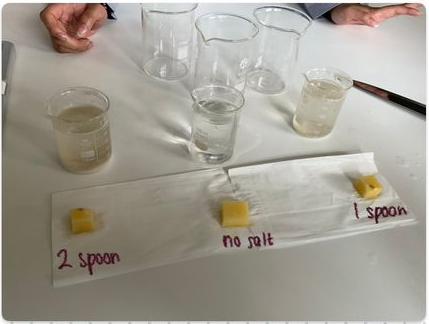
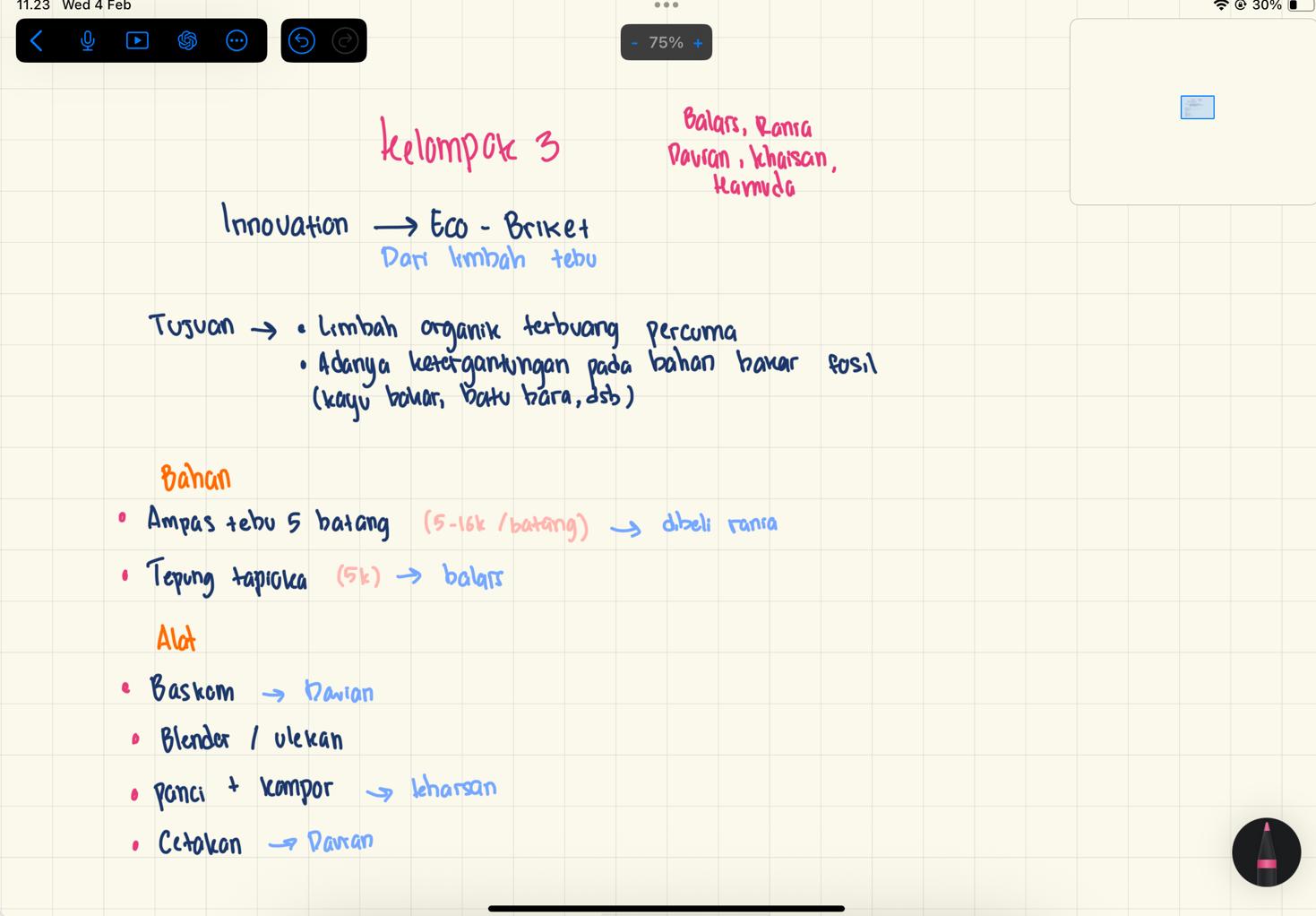
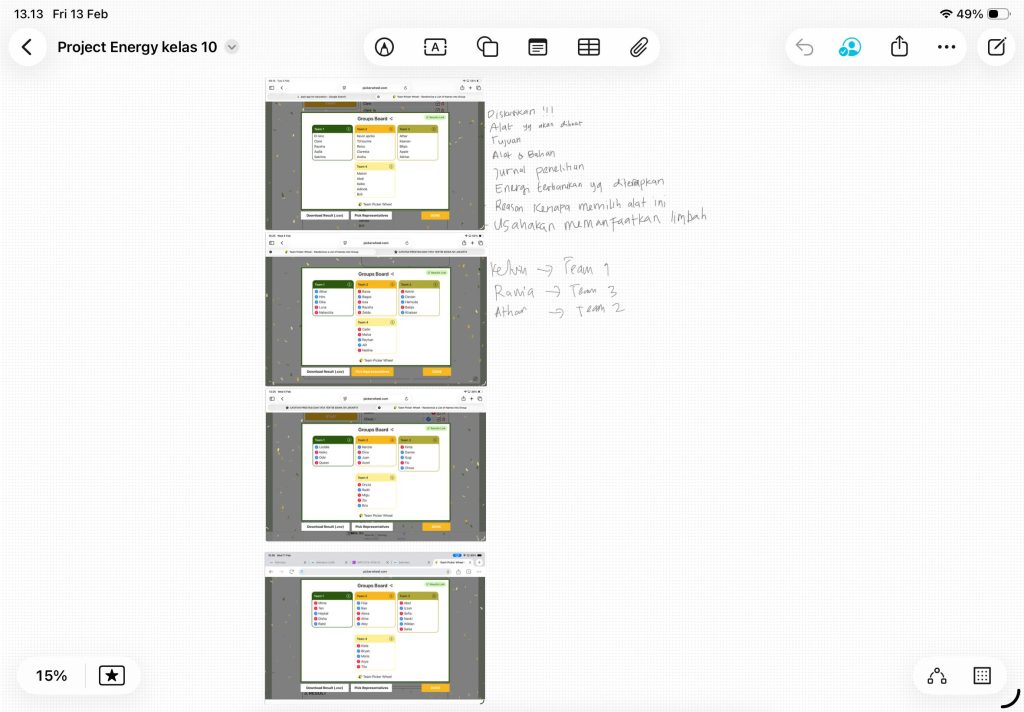
In the first week, they intensely debated the environmental impacts of our modern energy choices. By week two, the classroom transformed into an active laboratory of ideas. Armed with their iPads, the young scientists mapped out incredible, collaborative blueprints using the Freeform app. Week three was all about getting their hands dirty—literally! They gathered raw materials and began engineering actual, working models of renewable energy sources. Finally, they celebrated their hard work by demonstrating their functioning physical models alongside beautifully designed digital posters.
Behind the Scenes of Invention
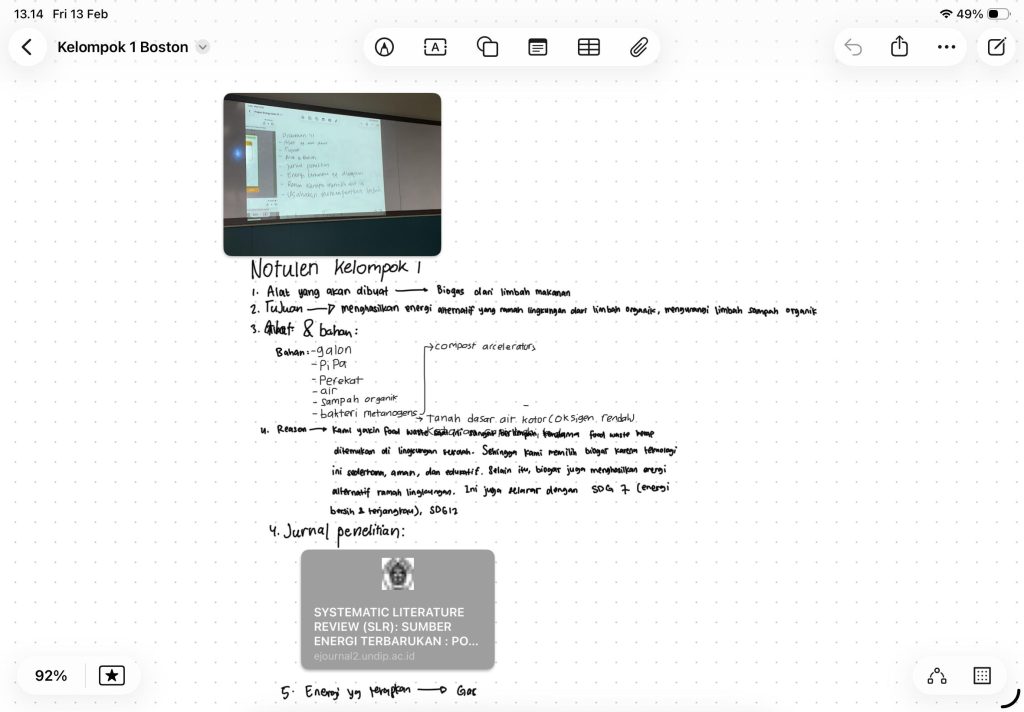
What makes this journey so special is the invisible layer of deep exploration happening in every corner of the room. By analyzing the pros and cons of different power sources and measuring energy efficiency, the young inventors constantly flexed their critical thinking. Every group experienced genuine teamwork because they had to rely on joint reasoning to figure out why a turbine wasn’t spinning fast enough or a lightbulb wasn’t glowing brightly.
Ms. Rani gave them the empowering gift of student choice, allowing each group to pick the specific type of energy—like solar, wind, biomass, or hydro—that sparked their curiosity the most. This autonomy naturally led to authentic real-world engagement, as they weren’t just completing a worksheet; they were tackling a genuine planetary crisis. Utilizing digital tools like Pages, they mastered communication and creation to explain their complex scientific findings simply and beautifully to their peers. Ultimately, they didn’t just pass a science test; they engineered a physical shared product that proved they could turn abstract physics concepts into tangible, earth-saving realities.
The Spark that Keeps Growing


As the classroom buzzes with the sound of tiny spinning wind turbines and the glow of solar-powered LEDs, one has to wonder: could the prototype sitting on that classroom desk be the exact technology that powers our city decades from now? Tonight at the dinner table, ask your young inventor which energy source they chose to build and what challenges they overcame. Let’s keep cheering for Ms. Rani and our brilliant students as they continue to tinker, build, and light up our world!