From Local Raw Materials to Global Business Minds
What does it take to turn a handful of local resources into a thriving business empire? This is the central question of the Young Entrepreneur Project (YEP), a transformative journey designed by Mr Wedi and Ms Lusi for Grade 11 students in their Accounting and Economics classes. This project isn’t just about learning formulas; it’s about shifting the students’ perspective from memorizing economic theories to creating real-world business solutions.
The Quest for Innovation
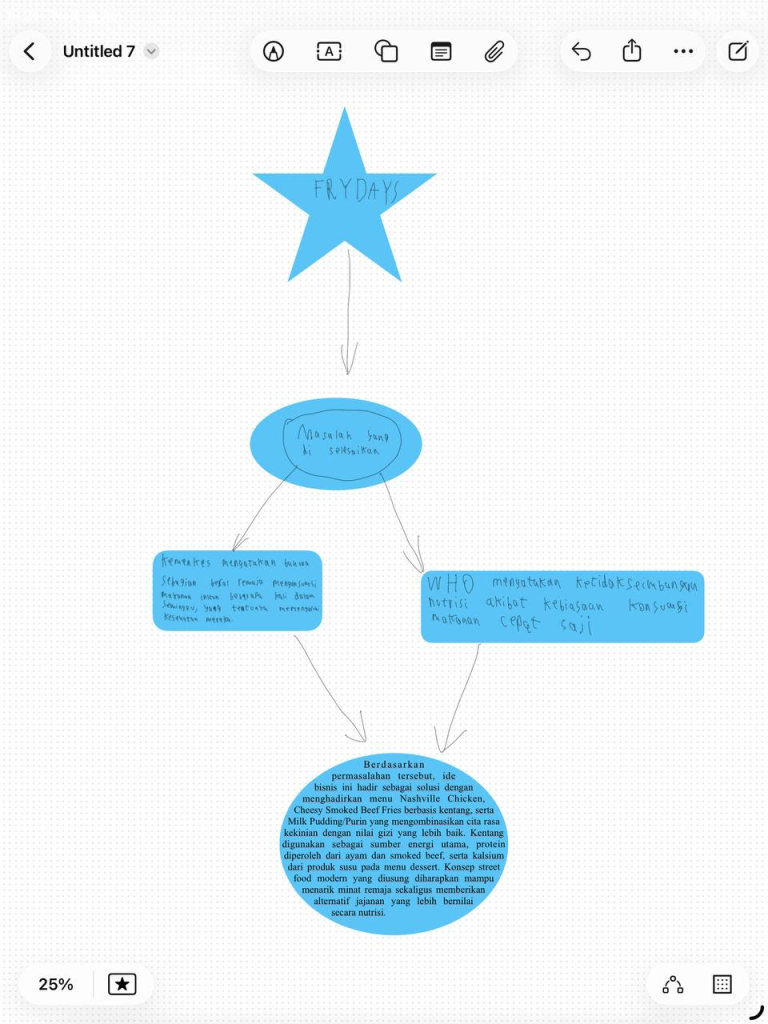
The journey began with a “Live-in” experience, where students were challenged to identify natural resources in local areas that could serve as raw materials for a new business. Mr Wedi and Ms Lusi acted as mentors, guiding the “heroes” of our story—the students—through the complex process of building a professional business proposal. From the initial spark of an idea, students moved into brainstorming sessions, creating intricate mind maps on their iPads to define their vision.
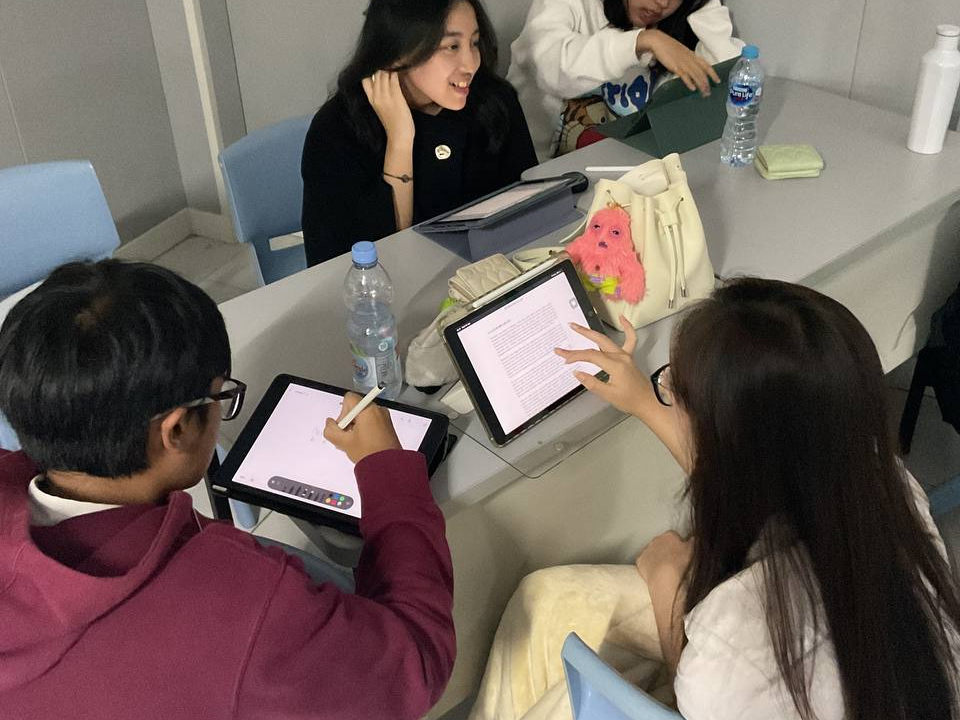
In these groups of four to six, the classroom buzzed with energy. Students didn’t just work side-by-side; they engaged in high-level Teamwork through Group Work and Collaborative Learning. Using apps like Freeform, they shared ideas in real-time, ensuring that every voice contributed to a Shared Product. Mr Wedi challenged them to look beyond the surface, asking them to justify their business choices through data-backed research.
Where Technology Meets Strategy

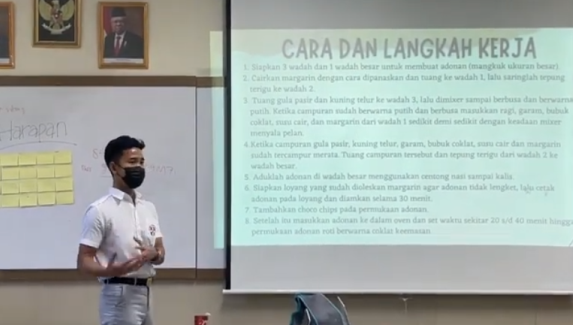
Behind the scenes of these colorful logos and catchy taglines lies a deep layer of academic rigor. As students moved into the production phase, the iPad became their most powerful tool for Communication and Creation. They drafted professional business plans, ensuring their financial reports adhered to Professional Standards. This wasn’t just a classroom exercise; it was a Real-world Task that required Personalization, allowing students to tailor their learning to their own interests and strengths through Student Choice.
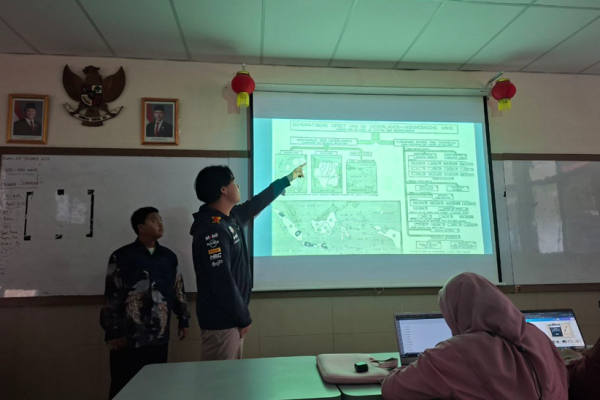
When it came to the numbers, the students demonstrated sharp Critical Thinking. Instead of just recording transactions, they used spreadsheets to analyze how price fluctuations affected their budgets, a process known as Joint Reasoning. By managing their own “Pitching Day” and interacting with an Authentic Audience of potential investors, they moved toward Real-World Engagement. They weren’t just playing “shop”; they were navigating the complexities of marketing, branding, and financial health in a Contextual Learning environment.
What will these young visionaries create next? As they prepare for their final EXPO and financial reporting in April, they are no longer just students—they are founders, accountants, and marketers. Next time you see a local product, ask yourself: what story of innovation lies behind it? Let’s continue to support Mr Wedi and Ms Lusi as they empower the next generation of leaders to turn their digital sketches into tangible success.