If Oppenheimer Chose Differently: Rewriting History Through Comics
History is often mistaken for a static list of dates and dusty names to be memorized. But what if we looked at the past as a living web of consequences, where one decision ripples through decades? In our Grade 12 History class, the question wasn’t just “What happened?” but “How does what happened then shape who we are now?”
More Than Just Dates on a Timeline
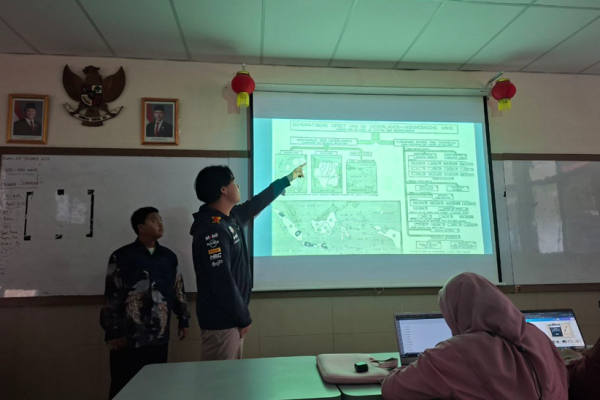
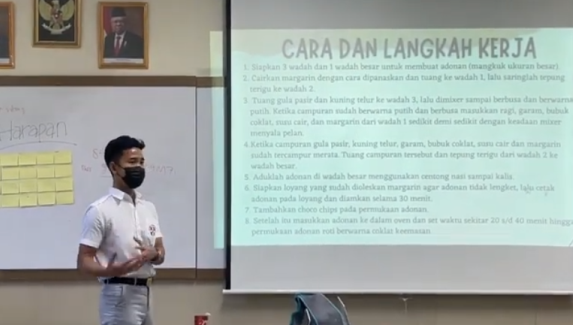
Ms. Dina presented a challenge that required more than just a textbook. She invited students to become historical detectives and visual storytellers. The mission was to explore the concept of “Continuity”—understanding how historical events are interconnected chains of cause and effect, specifically focusing on the Cold War and the Orde Baru era in Indonesia.
Armed with their iPads, students moved away from traditional essays. Instead, they were tasked with creating original digital comics. The classroom buzzed with debate as groups sketched storyboards in Keynote and brought scenes to life using Procreate.
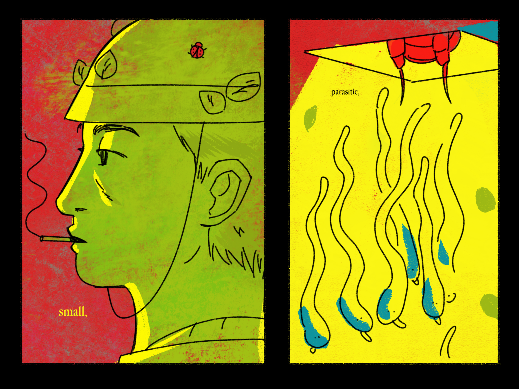
Take Freya and Orin, for example. They didn’t just recount the Vietnam War; they reimagined it from the Vietcong’s perspective, using a clever visual analogy of a bug interrupting a process to represent American interference. Meanwhile, another group—Sani, Athira, Raihanna, and Victoria—tackled the heavy legacy of the Orde Baru. Their comic, “Jangan sekali-sekali melupakan sejarah,” vividly juxtaposed the 1998 tragedies with modern political narratives, questioning who we label as heroes today.
Visualizing the Butterfly Effect


Behind the colorful panels and speech bubbles, a profound cognitive shift was happening. This project wasn’t just about drawing; it was a rigorous exercise in deep understanding. Students weren’t spoon-fed topics; instead, they exercised student choice, selecting specific historical threads that sparked their curiosity.
By translating complex geopolitical tensions into dialogue and imagery, the students practiced sophisticated multimodal communication. They had to decide how a facial expression could convey a nation’s fear or how a color palette could represent political oppression. This required intense joint reasoning within their groups, as they negotiated how to best represent the truth.
Furthermore, the project demanded authentic real-world application. When Sani’s group connected the 1998 riots to current debates about awarding hero titles, they weren’t just studying history; they were engaging in ethical reasoning about the present. They demonstrated that understanding the past is essential for navigating the moral complexities of the modern world.
The Story Continues

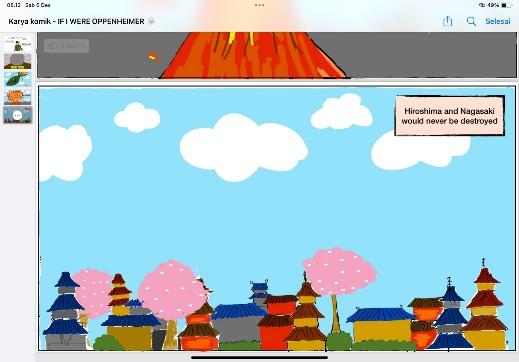


These comics prove that when students are given the creative license to interpret the past, they become more than just learners; they become historians with a voice.
As you scroll through your news feed today, ask yourself: Which event happening right now will be the panel in a history comic thirty years from now? And more importantly, ask your child: If they could rewrite one moment in history, what would it be, and why?