When the Neighborhood Became a Laboratory: Young Geographers in Action
Have you ever looked at a puddle after a rainstorm and wondered where the water goes? Or noticed how a vacant lot slowly transforms over the seasons? These seemingly ordinary observations became the foundation of a remarkable research journey for our Grade 8 Geography students.
The Research Adventure Begins
The challenge was ambitious: conduct real scientific research on geographical phenomena right in their own neighborhood. Mr. Saefi, the class facilitator, didn’t start with a textbook chapter. Instead, he guided students to step outside and look at their surroundings with fresh eyes—as geographers.
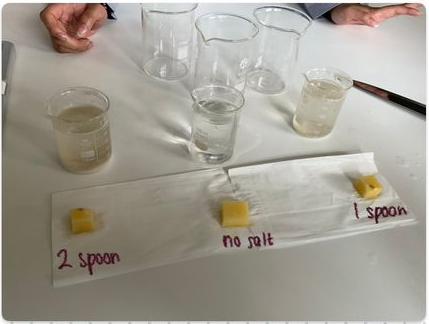
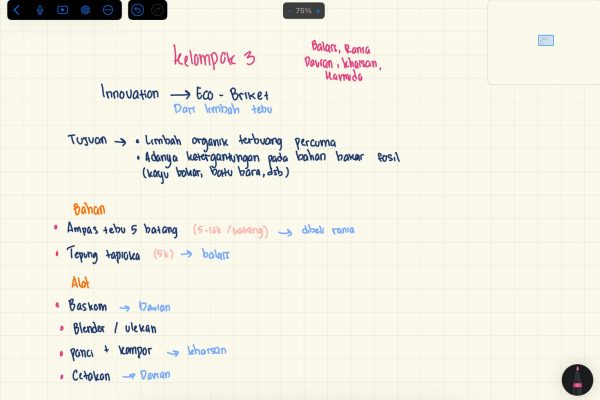
Students embarked on a complete research cycle: identifying problems in their local environment, gathering data through observation, analyzing their findings, and drawing conclusions. Each team chose their own focus—some investigated drainage patterns after rainfall, others studied how land use had changed over time, and a few examined how local vegetation adapted to urban conditions. The classroom transformed into a buzzing research hub as students compiled data, debated interpretations, and prepared their findings for presentation.
Thinking Like a Geographer
What set this experience apart was how naturally it wove together multiple layers of learning. Students weren’t just memorizing geographical terms; they were living the discipline.
Throughout the project, students engaged in student-led investigation, choosing their own research questions and deciding how to approach their unique problems. They practiced critical thinking as they analyzed data and distinguished between observation and interpretation. Working in collaborative research teams, they learned to communicate findings, challenge assumptions, and build on each other’s ideas. The process also sharpened their data literacy, as they learned to collect, organize, and make sense of real-world information.
Most importantly, students developed a genuine sense of environmental stewardship. By investigating local issues firsthand, they didn’t just learn about geography—they discovered that they have the power to observe, understand, and contribute solutions to the world around them.
A New Way of Seeing the World
By the end of the project, the students had learned something that no textbook could teach: geography isn’t just about maps and capitals. It’s a lens for understanding the story of every place we inhabit.
So, the next time you take a walk with your child around the neighborhood, ask them what geographical story they think the street corner tells. You might be surprised to find they’re not just taking a walk—they’re conducting fieldwork.