More Than Words: When English Class Became a Cultural Expedition
What makes a culture survive for generations? Is it the food we eat, the stories we tell, or the clothes we wear? This question sparked a journey of discovery for our Year 11 English students as they set out to explore and document the rich cultural tapestry of Jakarta.
The Great Cultural Hunt
The mission was clear: research a cultural element of Jakarta and bring it to life through descriptive text. The class facilitator challenged students to look beyond the surface and ask deeper questions about how culture survives and thrives in a modern world.
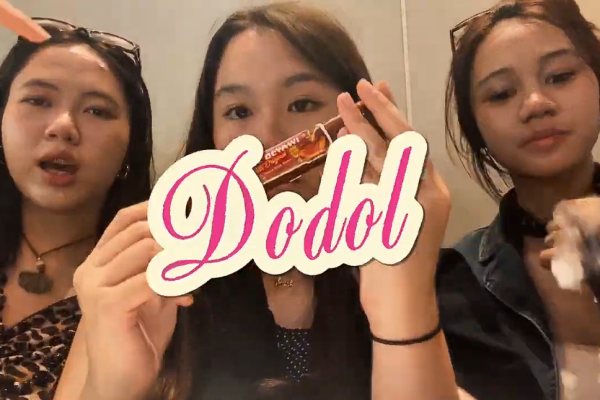
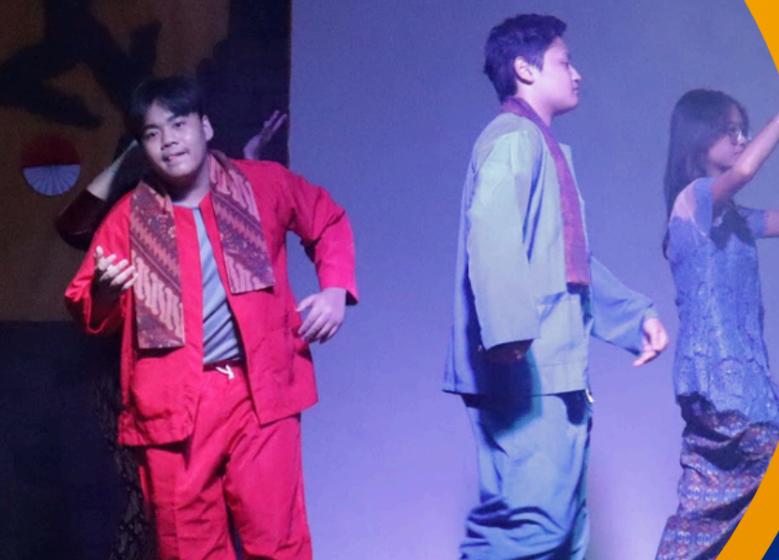
Students formed groups and chose their own cultural focus—some explored traditional Betawi cuisine, others delved into folk performances and traditional music, while a few investigated the stories behind traditional crafts and clothing. Each group conducted thorough research, uncovering the history, unique characteristics, and social values behind their chosen cultural element. They then transformed their findings into well-crafted descriptive texts, practicing both their writing and speaking skills along the way.
Beyond the Textbook
What made this project truly special was how it connected language learning to real cultural preservation. Students weren’t just writing essays for a grade; they were becoming storytellers of Jakarta’s heritage.
Throughout the process, students exercised student choice by selecting cultural elements that genuinely sparked their curiosity, making the learning deeply personal and meaningful. Working in collaborative groups, they shared research responsibilities, debated findings, and helped each other refine their descriptions. The project also cultivated cultural awareness, as students discovered the stories and values behind traditions they had previously taken for granted.
The final step pushed their learning even further: each group created a publishable media piece—a pamphlet, magazine, or video podcast—designed to share their discoveries with a real audience. This authentic purpose transformed their work from a classroom assignment into a meaningful contribution to cultural preservation.
A Story Worth Sharing
By the end of the project, students had discovered something powerful: language is not just a subject to study—it’s a tool for telling the stories that matter.
So, the next time your child talks about a traditional dish or a cultural performance they encountered, ask them what story they think it tells about Jakarta. You might be surprised to find they see not just food or entertainment, but a living heritage worth preserving.